

High school football is changing, and game-day decision-making needs to keep up. While terms like “data-driven” and “analytics” may sound intimidating, getting started is easier than most think. You don’t need a full staff or complex software to make better calls—you just need one good data point. That small start can lead to smarter plays and, eventually, a more competitive team.
Why Live Game Data Matters—Even at the High School Level
Trying something new during the season isn’t easy, but Geneva High School in Illinois saw the payoff firsthand during the 2024 playoffs. The coaching staff brought in live analytics at the most critical time of year—and it made a difference.
“We didn’t want to leave any stone unturned,” said Sean Grady, Geneva’s running backs coach. “Could have maybe won one more game or been in a better position” (02:29).
Instead of waiting for the offseason to test new tools, Geneva began tracking in-game stats during their playoff run. The goal wasn’t to overhaul everything—it was to make better decisions, faster. In the process, they also validated what they already believed about their strategy.
Start Small: Use Sideline Analytics to Track Just One Thing
You don’t need to track everything. Start by focusing on something that directly impacts how you call plays. For Geneva, that meant identifying which defensive fronts they were seeing based on their own formations.
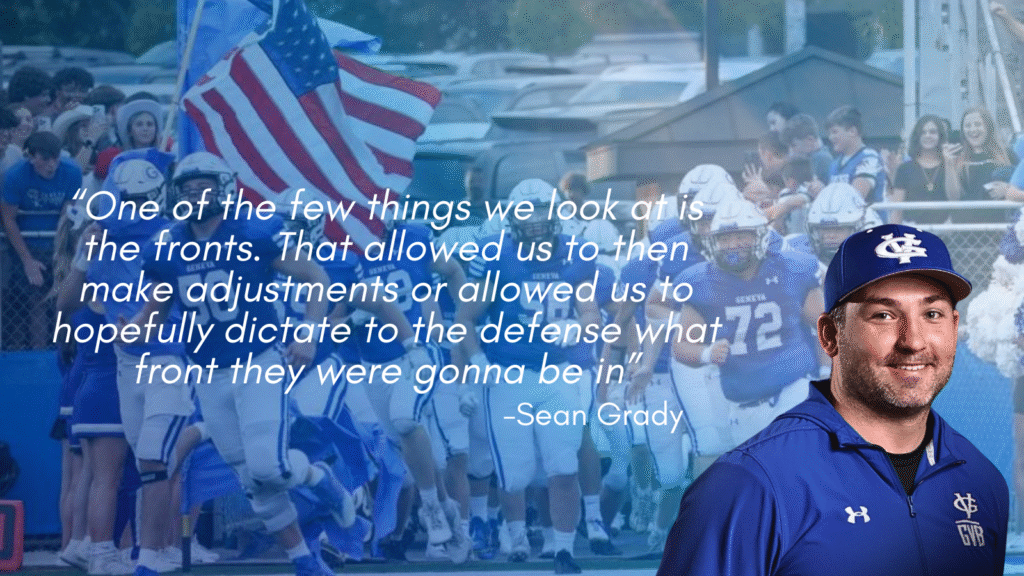
“One of the few things we look at is the fronts,” Grady shared. “That allowed us to then make adjustments—or allowed us to hopefully dictate to the defense what front they were gonna be in” (07:25).
That one data point gave them a new edge. They weren’t guessing—they were predicting, then responding with intent. Even basic tracking gave the staff the clarity they needed to stay one step ahead.
Build Your System One Play at a Time
You don’t need to rewire your entire workflow. Geneva used a sideline tablet, clear communication, and one simple process to improve how they adjusted during games. With each rep, they got quicker and more accurate.
“My biggest advice… just even if you dip your toe in, start somewhere,” Grady emphasized. “Track a front, track a run concept, track a play, and see if you like it” (21:10).
Start with what fits your system. That could be something as specific as inside zone success from trips formations or how often a defense pressures on third down. The data will build from there—and so will your confidence in the calls you’re making.
Turning Simple Data Into Smarter Coaching
Within weeks, Geneva shifted from jotting plays by hand to using live data to shape their strategy between drives. Coaches shared feedback faster. Adjustments came quicker. The entire sideline operated with more control and less chaos.
The result? Clearer decisions, better execution, and a more composed team in the biggest moments.
Ready to Take the First Step?
You don’t need a background in analytics to start coaching with data. You just need to choose one meaningful thing to track. The best teams aren’t waiting to have it all figured out—they’re using what they have to get better right now.
As Grady put it: “Track a front, track a run concept, track a play, and see if you like it.”
Related:
Chart. Adjust. Win: Building a Defensive Workflow for In-Game Success- Jordan Irsik