

The film starts, the highlight plays, and the room lights up. Then you pause it and ask a simple question: Why did that play work? The room gets quiet; that moment tells you a lot. Too many players can see the result, but they cannot explain it. Football IQ is not disappearing because players care less. It is fading because too often it is assumed instead of taught.
Why Football Intelligence Is Declining
First, players watch short clips instead of full games. They see the results but miss the bigger picture. They might recognize routes but overlook coverage changes. They celebrate touchdowns but don’t notice what happened before the snap.
Doug Brady explains the gap clearly:
“There’s a handful of kids… that are able to tell you what the weakness of a coverage is. And there’s a ton of other kids that really can’t explain it.” (11:34)
In other words, players execute without understanding. Meanwhile, practice time shrinks, and coaches focus on installs, conditioning, and game plans. Therefore, teaching football IQ often gets pushed aside.
What Football IQ Really Means
Although people define it a lot of different ways, football IQ really comes down to processing.
It shows up in a player’s ability to identify defensive structure, understand strengths and weaknesses, anticipate what happens next, and adjust in real time.
In contrast, low-IQ players rely only on assignments. They ask, “What do I do?” instead of “What is happening?”
That’s the difference. High-IQ players play faster because they process faster.
Teach Football Smarter: Start With Simplicity
To rebuild football intelligence, coaches have to simplify the way players learn. That means using tools that are clear, focused, and easy to return to every day.
1. Use Flashcards to Build Football Knowledge
Flashcards may feel old-school, but they work. Not only do they eliminate distractions, but they also force recall and repetition.
Brady highlights the power of writing and simplicity:
“There’s something about writing something down… you own the material more if you write it down.” (16:33)
Therefore, create cards that ask:
- What coverage is this?
- How do you identify it?
- Where is the weakness?
Over time, players stop guessing and start recognizing.
2. Teach Every Player to Think Like a Quarterback
Next, shift perspective. Even if a player never throws a pass, they benefit from seeing the game like a quarterback.
For example: Offensive linemen recognize pressure, receivers understand leverage, and defenders anticipate route concepts.
As a result, everyone processes faster.
Brady reinforces this idea:
“If you’re able to find the safeties… they’re the truth tellers.” (22:00)
When players learn where to look, they stop reacting and start anticipating.
3. Build Pre-Snap Mental Checklists
In addition, teach players a simple checklist before every snap:
- Locate the safeties
- Identify the structure
- Determine likely coverage
- Attack the weakness
Because repetition builds confidence, this routine becomes automatic. As a result, players can react without second-guessing.
4. Layer Learning From Basic to Advanced
You cannot teach everything at once. Instead, stack knowledge in layers:
Level 1: Terms and coverages
Level 2: Fronts and run fit
Level 3: Position-specific mastery
At each stage, reinforce concepts through quizzes, film, and discussion. Eventually, players connect all 22 positions into one system.
Why Teaching Football IQ Matters More Than Ever
Although talent is very important, understanding separates elite players. In fact, many athletes do not fall short because of lack of talent or effort; they fall short because the game is moving faster than they can process it.
Brady puts it simply:
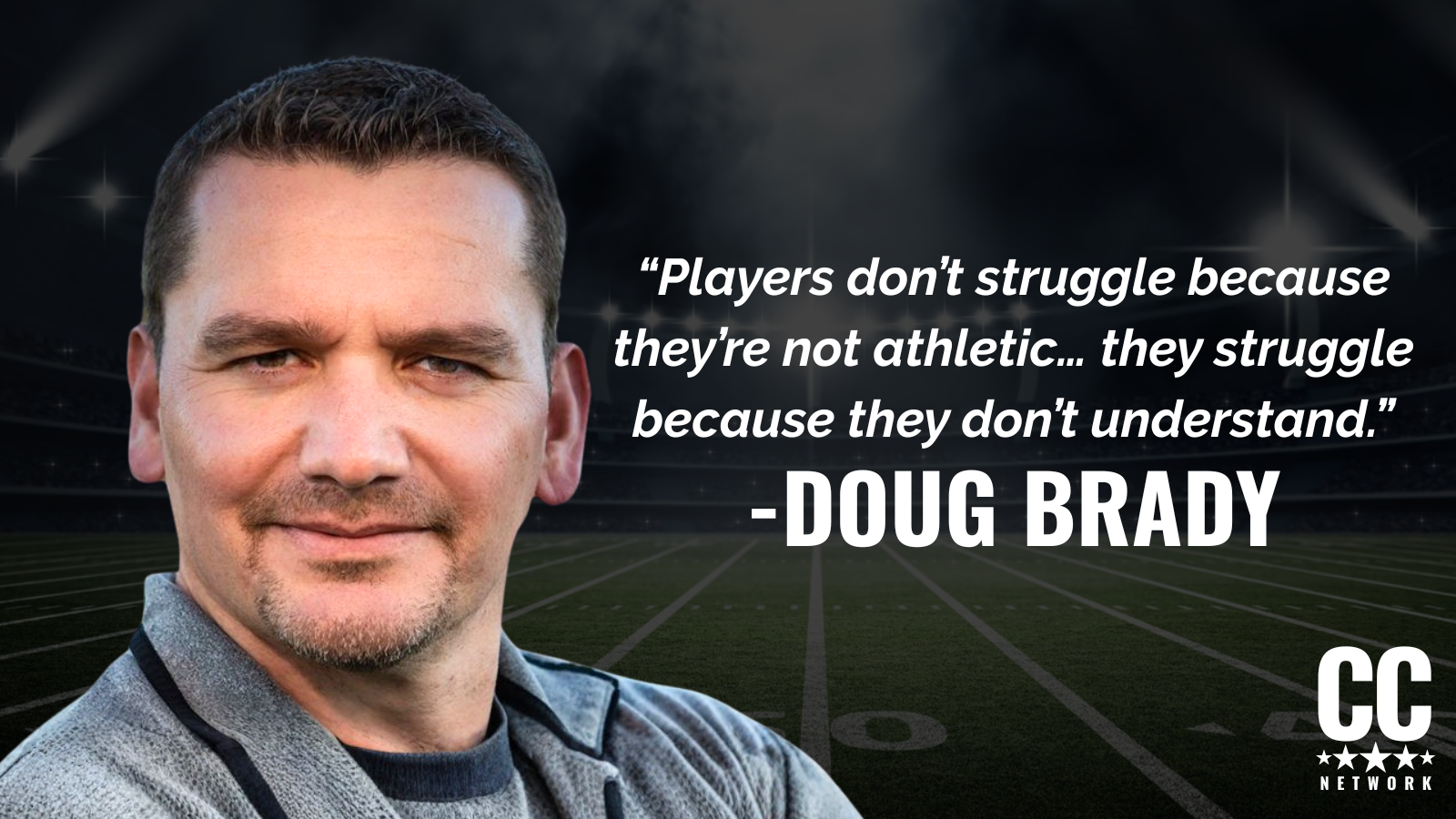
“Players don’t struggle because they’re not athletic… they struggle because they don’t understand.”
So, when you teach football IQ, you help players become faster, more confident, and more consistent.
How to Bring Football IQ Back to Your Program
To rebuild football intelligence in your program, take these steps:
- Schedule weekly IQ sessions (10–15 minutes)
- Use flashcards or quick quizzes.
- Pause the film and ask “why,” not just “what.”
- Require players to teach concepts back.
- Reward understanding, not just execution
Final Thought
Football IQ is not gone, but it does need to be taught. Coaches still shape how players learn the game. When you teach with purpose, players stop just memorizing plays and start understanding what they are seeing.
And when that happens, they play faster.
A Tool that Teaches the Foundational Concepts of Football IQ
American Football IQ a leading platform dedicated to helping players, coaches, and fans truly understand the game, not just memorize it. Through film-room style breakdowns, tactical education, and widely used training flashcards, AFIQ teaches you how to read defenses, recognize coverages, and process the game faster so you can play faster. Trusted by thousands worldwide, it is built for anyone serious about elevating their football IQ.
Learn more at AmericanFootballIQ.com.

Related:
The Turnaround: Lessons From Steve Pyne on Rebuilding Programs the Right Way
Clinic Series: QB Coverage Recognition – Kirk Campbell, QB Coach, Michigan