Apple Podcasts
 Google Podcasts
 Spotify
 SoundCloud
 Stitcher
 RSS
RSS


How to Build a Winning Program From the Ground Up
The film ends. The mistakes are obvious. The talent might…

Fullback Draw: A Constraint Play for the Sprint Out Pass
I saw a post on X sharing a play I…






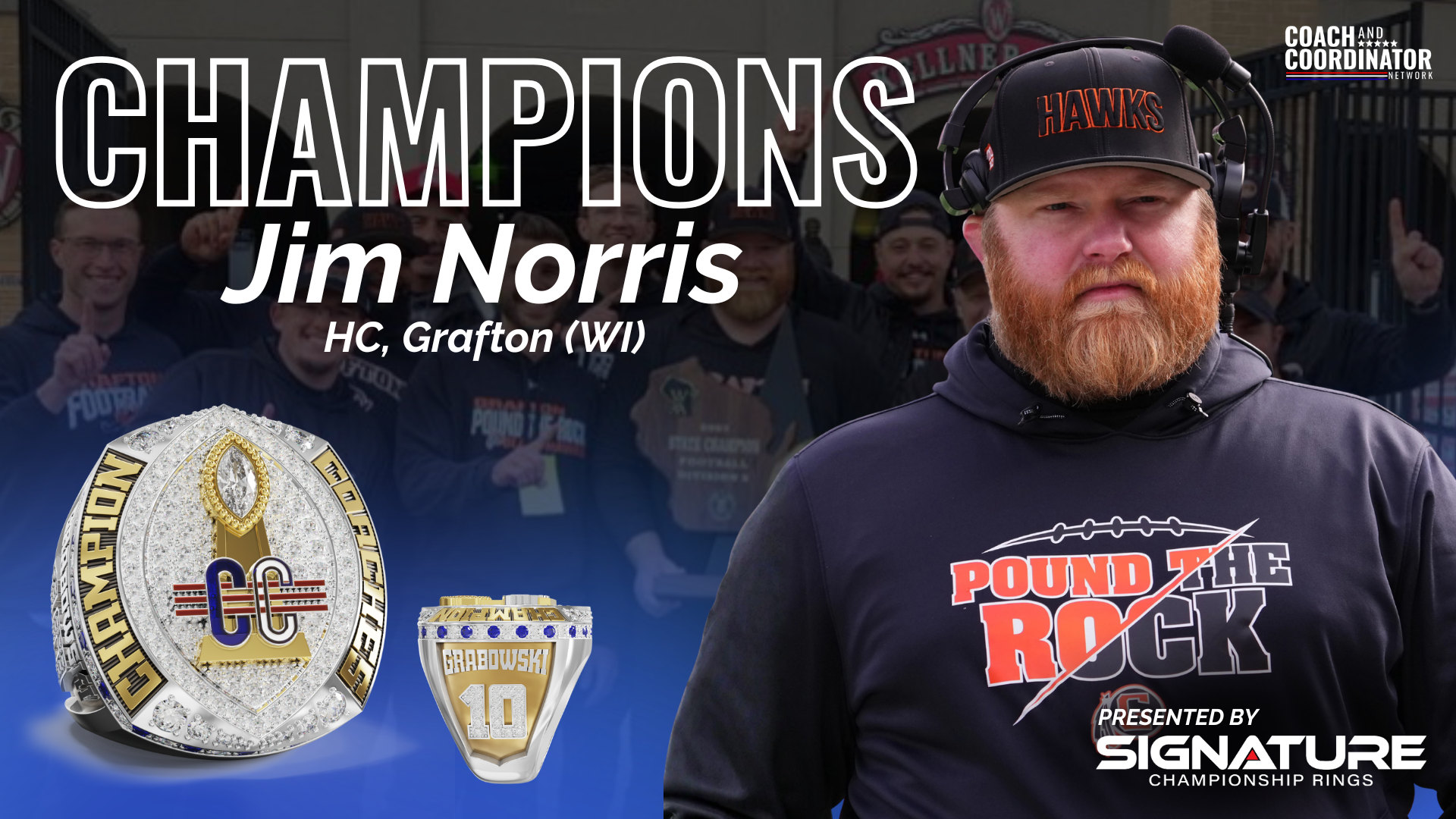
Champions – From College Success to State Titles – Jim Norris, HC, Grafton (WI)
On this episode of Champions, presented by Signature Championship Rings, we sit down with Grafton
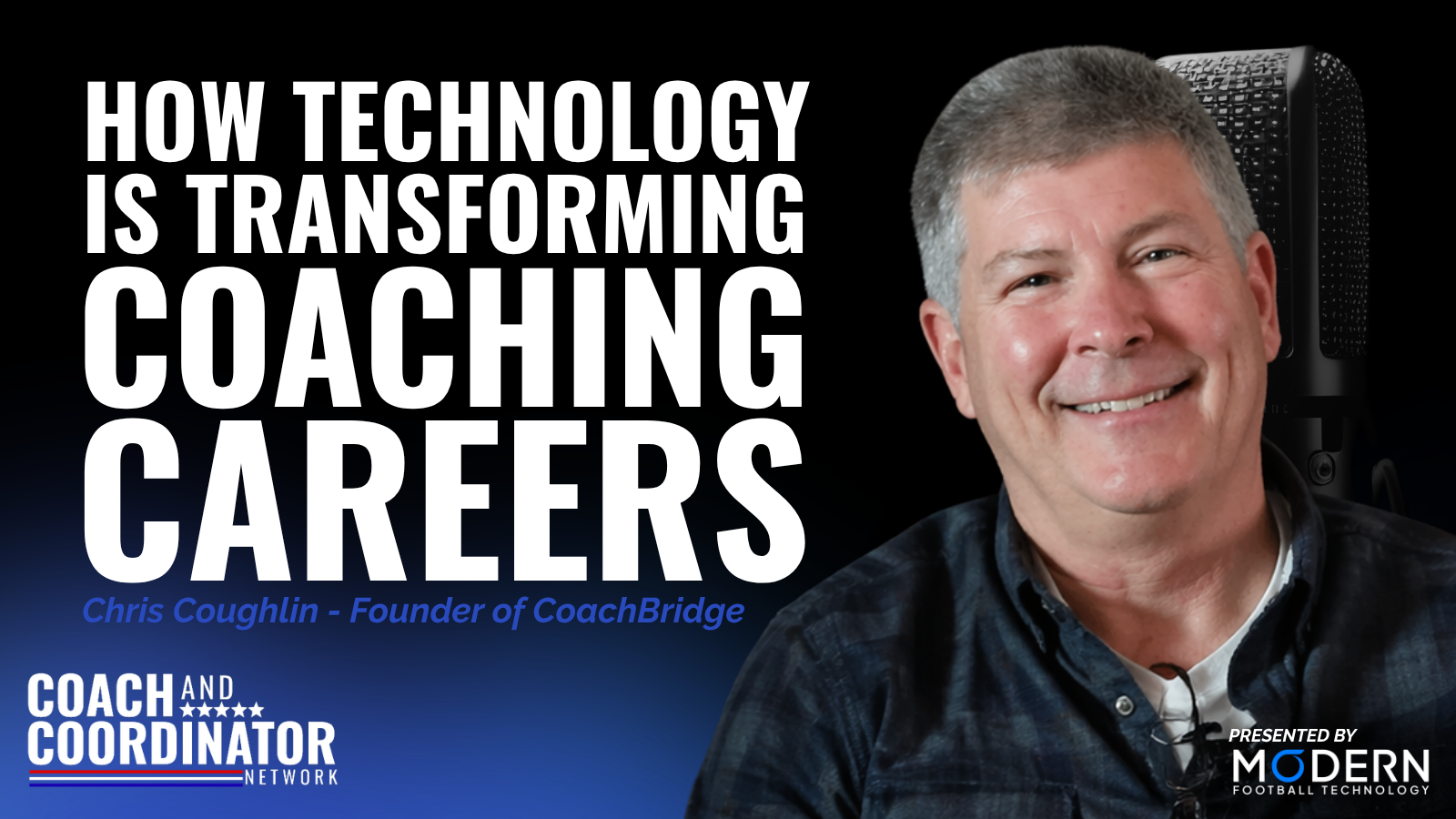
How Technology Is Transforming Coaching Careers – Chris Coughlin, Founder CoachBridge
On this episode of Coach and Coordinator, powered by Modern Football Technology, Keith Grabowski sits
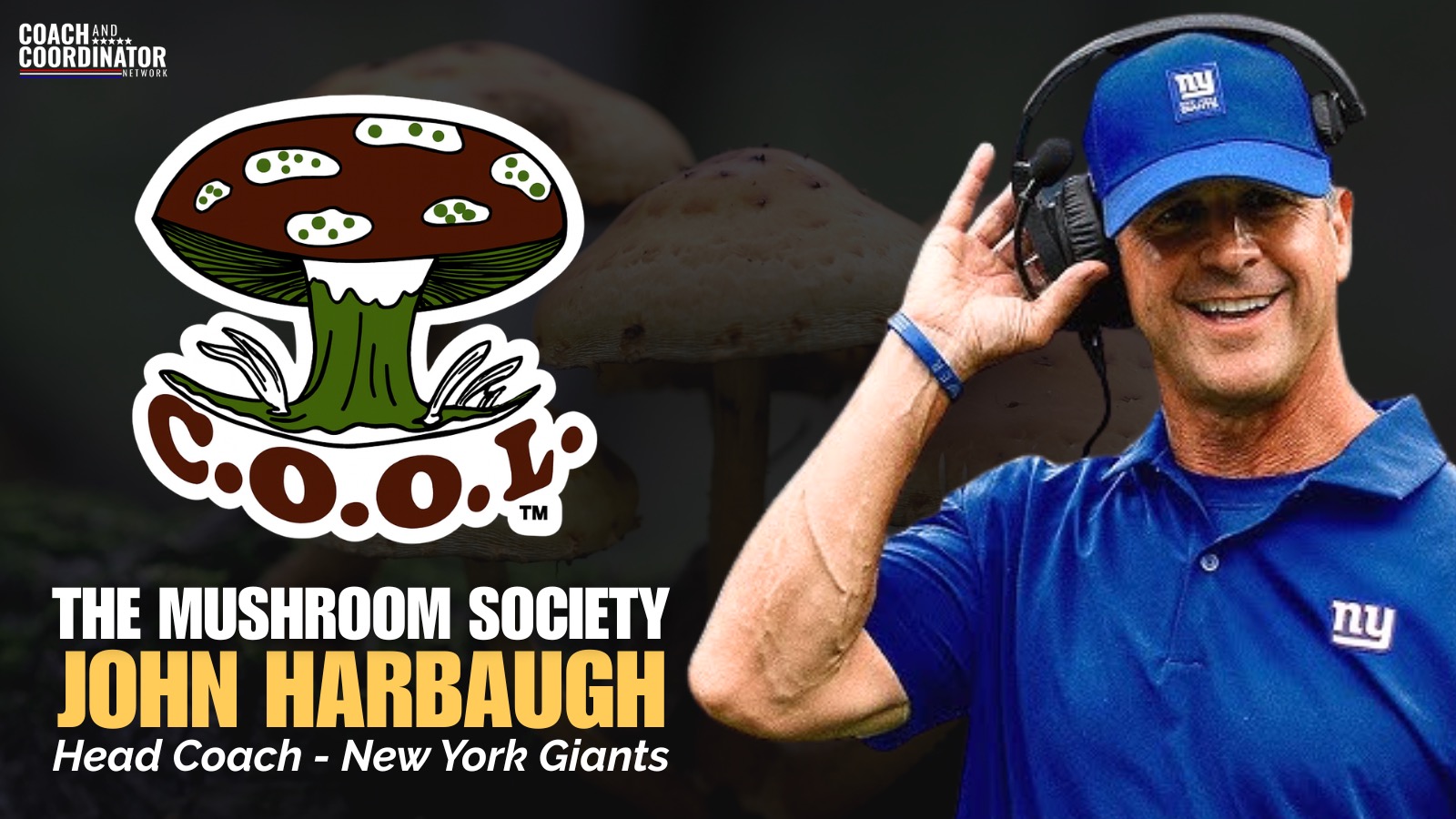
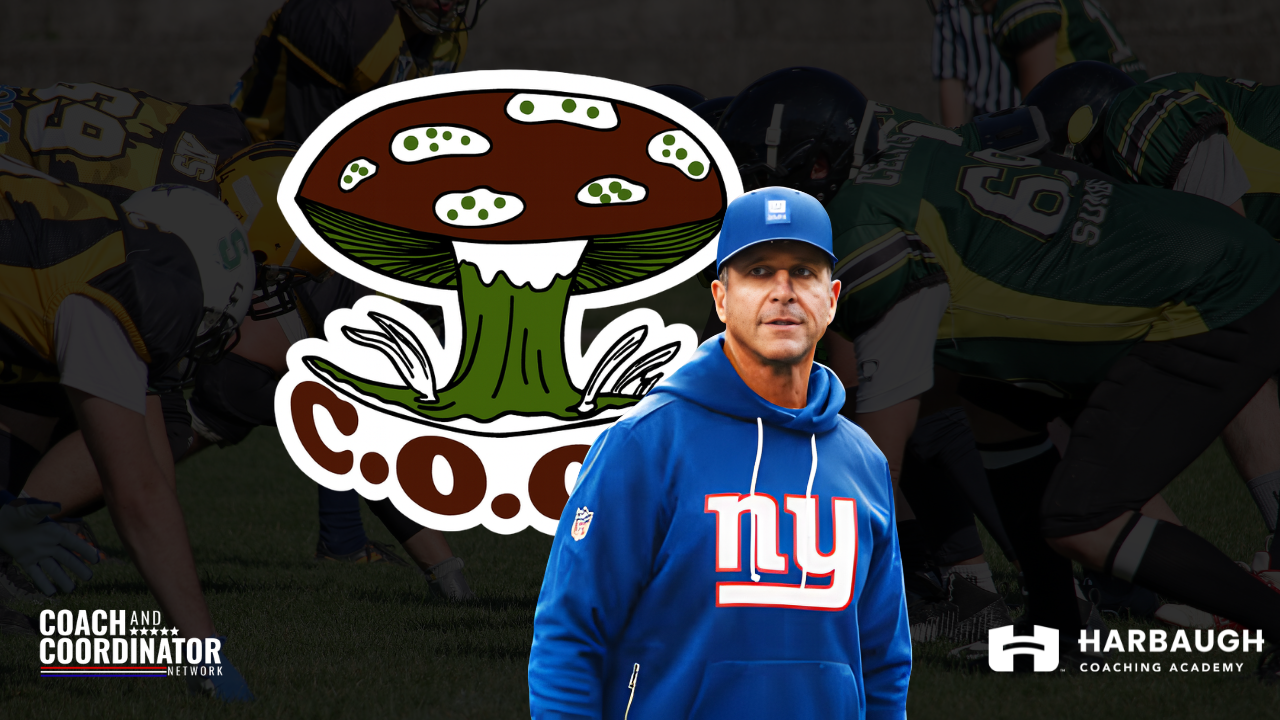
The Mushroom Society – John Harbaugh, Head Coach, New York Giants
John Harbaugh on Building Better Systems, Coaching Culture, and Finding the Balance On this episode,
Football IQ – The Art of Seeing the Game – Shawn Watson, HC, Wofford
On this episode of Football IQ, presented by American Football IQ, we dive into the
Ecological Dynamics & Game-Like Practice Design – Shawn Myszka, Founder Emergence Movement
On this episode of Coach and Coordinator, presented by Modern Football, we sit down with
Tully Legends – The Blueprint for High School Strength Program – Mike Oziomek, Director of S&C, Cuyahoga Falls HS (OH)
On this episode of the Tully Legends podcast, presented by Tully, we sit down with
The Give – Army’s John Loose on Defensive Fundamentals: Blocks, Tackling, Takeaways
In this episode of The Give, presented by Lauren’s First and Goal, Army Football coach

Football IQ – From Instincts to Elite-Level Thinking – Will Shields, Pro Football Hall of Famer
On this episode of Football IQ, presented by American Football IQ, Doug Brady sits down