

After a tough season, every football coach faces tough questions. What separates good coaches from great ones often comes down to one thing: “What happened?” This question pushes coaches to stop making excuses and start taking responsibility for what happens on the field. For American football coaches looking to improve, this mindset is the key to real progress.
When the game ends, fans, players, and staff want people to take responsibility, not make excuses. It’s easy to blame injuries, inexperience, or bad luck. But real leaders face the truth and ask, “What happened?” Focusing on taking responsibility leads to better, lasting success. That’s why coaches stop explaining and start owning, because only taking responsibility leads to real growth.
Taking Accountability: The Coach’s Hardest Play
Many coaches fall into the trap of explaining why a season didn’t go their way. Yet, as coach Hudson said at the AFCA Conference:
“Excuses aren’t going to get you anywhere in this business, you either elevate or terminate. So you got to figure it out so you can be on the positive side.”
This kind of honesty gets right to the point and makes a coach look at their own actions before blaming anything else. It’s not about making excuses; it’s about taking responsibility for every part of the team’s practice, game plan, and performance.
The Power of Self-Reflection
Self-reflection begins with a difficult question: Did I adequately prepare my team?
Trevor Hudson explained, “I didn’t prepare my team well enough to achieve the things we needed to do. We didn’t put them in the right position to stop some of the big plays. We didn’t put in the system that fit our personnel. The final result is we didn’t win, and that’s just not good enough for me.” (15:20)
Taking responsibility like this is essential. Coaches who think this way admit what needs work and start fixing it, instead of blaming players or things they can’t control. This is what it means for coaches to truly stop explaining and start owning both the process and the outcome.
Moving Beyond Explanation to Action
Taking responsibility doesn’t stop with reflection. It leads to real change. Good coaches ask themselves if their staff is in the right positions.
- Are we fitting the system to the players we have?
- How can training and preparation reduce injuries and improve performance?
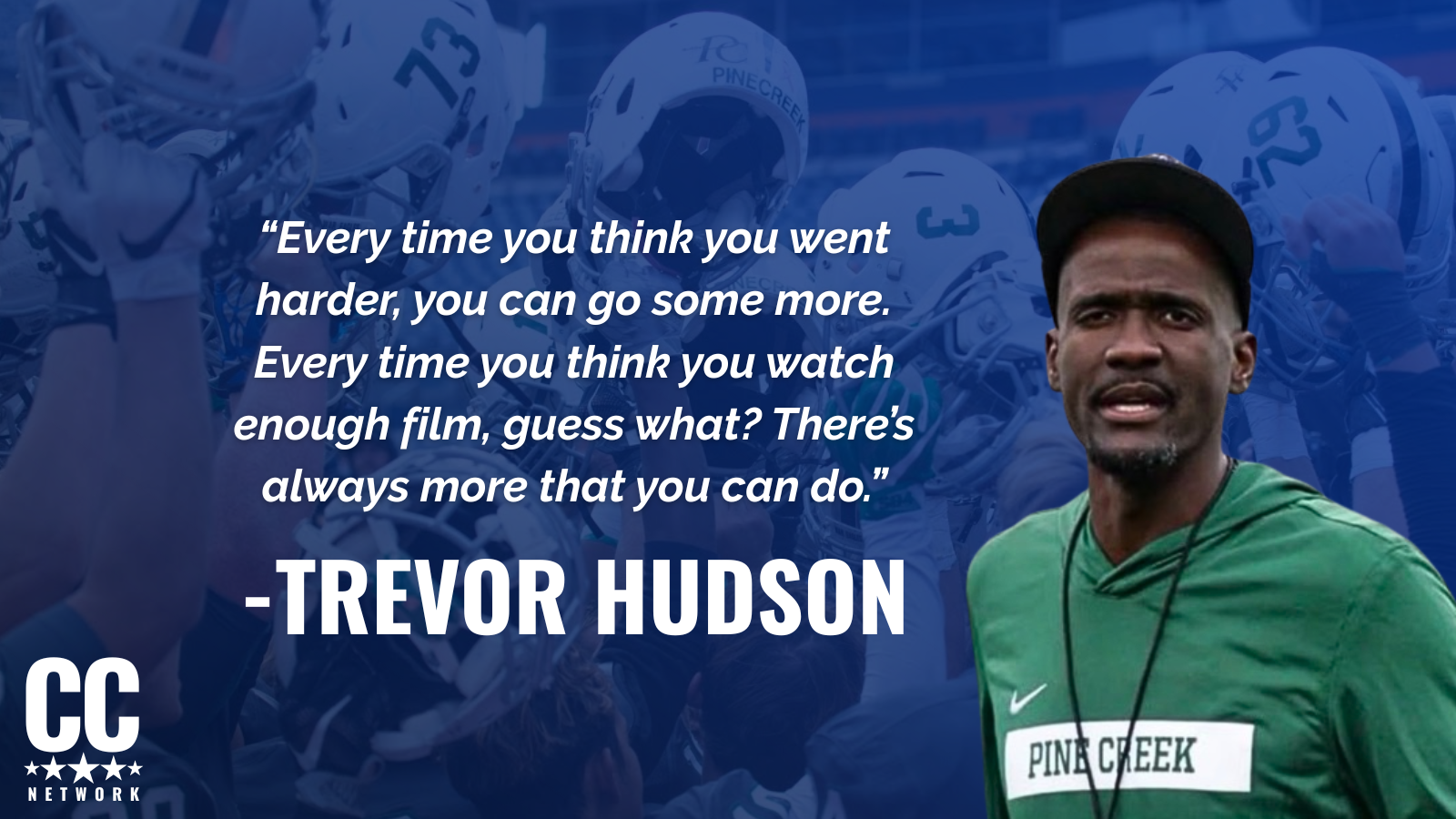
Coach Hudson emphasized, “Every time you think you went harder, you can go some more. Every time you think you watch enough film, guess what? There’s always more that you can do.” (10:55)
Always working to improve and holding yourself accountable is what sets champions apart.
Why Coaches Must Stop Explaining and Start Owning
In today’s competitive world, explanations don’t win games. The community, players, and administrators want results. Coaches who take responsibility earn trust, help their teams grow, and build stronger programs.
When coaches stop explaining and start owning, they build a culture of responsibility that reaches every player and staff member. This culture shows that excuses don’t win championships, but ownership does.
Final Takeaway
The question “What happened?” is more than just something to ask after a game. It’s a powerful way to unlock your team’s potential. When coaches stop making excuses and take ownership, they set the stage for steady improvement and success. Now is the time to be honest with yourself and lead your program with accountability. It’s time for coaches to stop explaining and start owning.
Related:
Design It and Step Back – Kyle Schmitt, Head Coach, Archbishop Spalding High School (MD)