
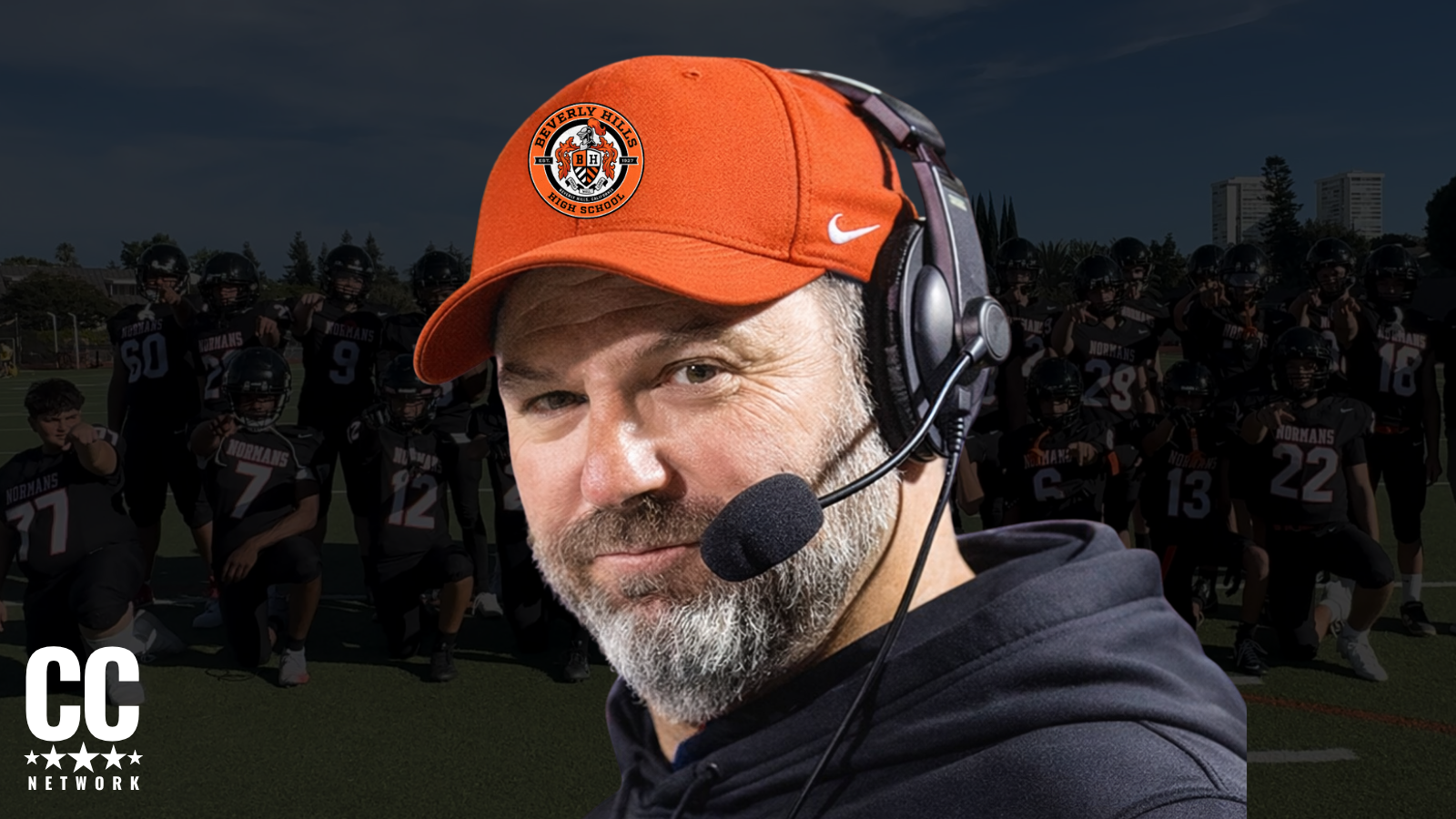
The film ends. The mistakes are obvious. The talent might not be.
So now what?
Every coach eventually faces the same challenge: taking over a struggling program and being asked to turn things around. Building a winning program from the ground up isn’t about finding better players right away. It’s about creating something stronger than talent, that’s culture, development, and belief.
Establishing Culture in a Football Program
First, you must set the tone.
When Coach Jeff Bailey took over at El Dorado, the record didn’t immediately jump off the page. However, the foundation began forming right away. The players bought into a new standard of effort, discipline, and accountability.
More importantly, Bailey did not just talk about what the program could become. He built it through daily work.
Once the culture is in place, the next step is player development.
Player Development Strategies That Accelerate Success
At first, Bailey put an emphasis on heavy weight room training. However, he quickly realized that strength alone wouldn’t win games. So, he adjusted.
Instead of spending hours in the weight room, he moved to a more balanced approach: 45 minutes on the field and 45 minutes in the weight room.
That shifted the focus toward building athletes, not just strong players.
This adjustment changed everything. Players became faster, more skilled, and more versatile on Friday nights.
It also reinforced a key principle: development must transfer to performance.
Building a Coaching Staff That Elevates the Program
Players can raise the floor, but the staff raises the standard.
Bailey chose coaches he trusted, people he knew, believed in, and could count on every day. This decision brought consistency to the whole program.
He also understood the risk of poor hires.
“People don’t realize, as a head coach, if you hire the wrong person, you gotta let him go, and that’s not fun.” (10:09)
So, he valued having everyone on the same page more than just impressive resumes. Because of that, the staff stayed aligned and reinforced the same standards every day.
With the right staff in place, the next step is building momentum.
Developing a Winning Mindset Over Time
Progress didn’t happen overnight. The early seasons under Bailey were respectable, but not yet remarkable.
Year 1: 5–5
Year 2: 6–5
Year 3: 13–1 (Championship)
The record improved gradually, but belief inside the program grew even faster. Close losses revealed promise, young players matured and confidence started to take hold.
Eventually, it all came together. Sustainable success does not happen overnight.
Build Your System Around Your Players
Many coaches fail because they force players into a system. Bailey did the opposite.
One season, he shifted to a split-back veer offense because it fit his personnel. The quarterback wasn’t a strong passer, and the offensive line was undersized.
Instead of forcing a traditional system, he adapted to his personnel. The offense took off, and that flexibility gave the team an edge, especially against opponents who could not replicate that style in practice.
Creating a Competitive Edge Through Identity
Every successful program has a clear identity.
Bailey’s teams leaned into a physical, power-run approach. While others spread the field, his teams controlled the game and the time of possession.
Opponents struggled to prepare for it.
“They don’t see what we do all year.” (38:01)
That difference gave Bailey’s teams an edge every week. It also strengthened the program’s identity: tough, disciplined, and relentless.
Navigating Adversity Without Losing the Program
Even strong programs face setbacks. At one point, injuries and roster changes forced Bailey to start multiple underclassmen. The result? A losing season.
He changed the approach, not the standard. He stayed consistent, emphasized development, and protected the culture.
Later, that same group returned as experienced players and won a championship. The adversity didn’t break the program, it built it.
Balancing Tradition and New Leadership
When taking over a program, coaches must respect what came before. At the same time, they must establish their own standards.
Bailey found that balance.
He honored the program’s traditions while ensuring his core values of work ethic, discipline, and accountability remained in place.
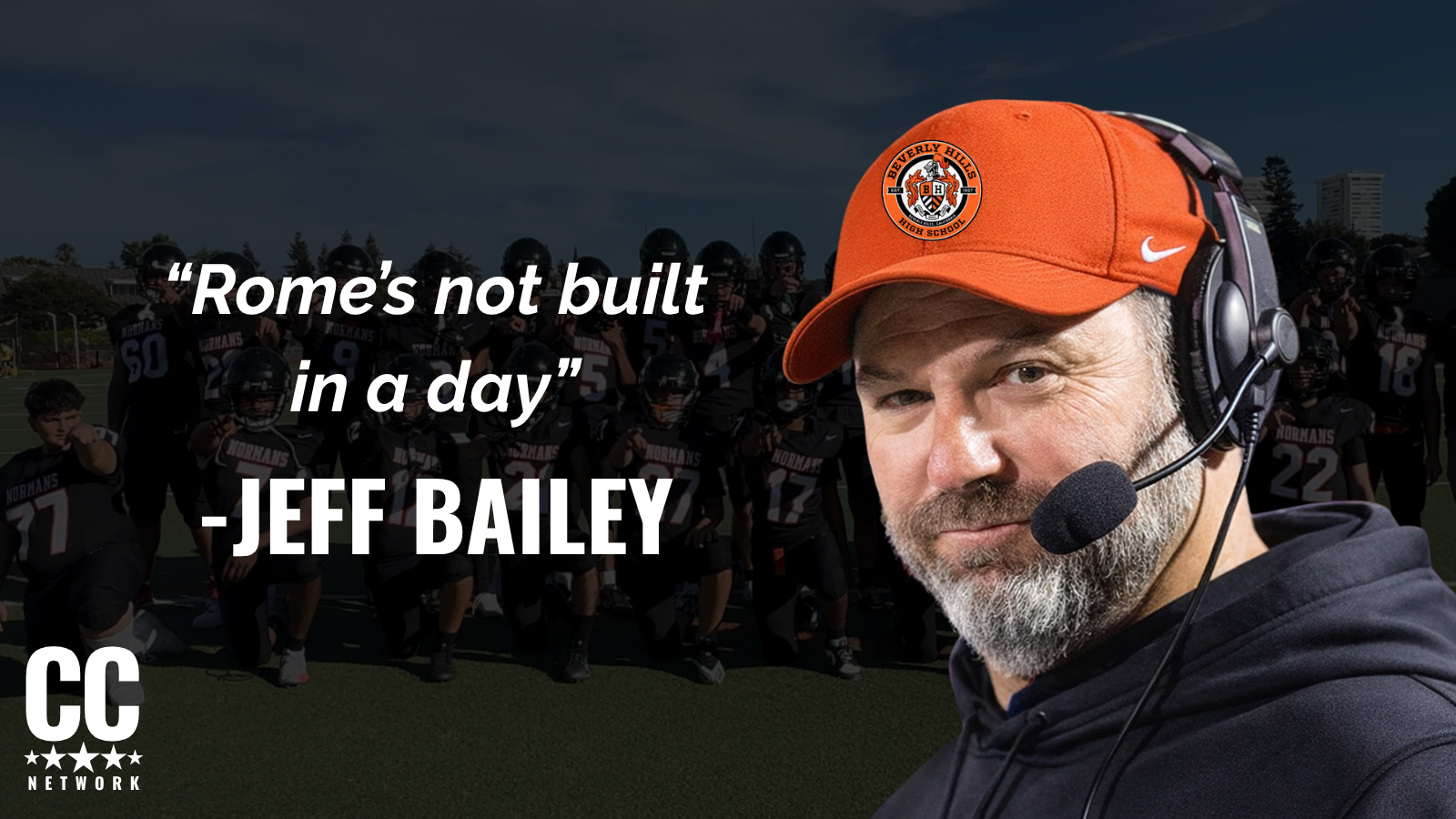
“Rome’s not built in a day.” (42:04)
Final Thoughts on How to Build a Winning Program From the Ground Up
Ultimately, building a winning program from the ground up comes down to consistency.
- Build culture through daily work.
- Develop players with purpose.
- Hire the right staff.
- Adapt to your personnel.
- Stay patient through adversity.
Stay committed to the process, even when results come slowly. Winning programs are built every day.
From Conversation to Application: The Turnaround Companion AI

This episode, along with the rest of The Turnaround series, now drives the Coach & Coordinator AI – Turnaround Companion. The platform functions as an applied learning tool built only from:
When coaches launch the AI, it begins by asking about their role, level, situation, and constraints. From there, it customizes every response to fit their individual context.
The Turnaround Companion is an applied-learning tool built exclusively from:
- Turnaround Series transcripts
- Learning files and frameworks
- Patterns and principles shared by the coaches above
It does not use outside theories or generic advice.
Instead, it helps coaches:
- Diagnose where their program truly is in the turnaround process
- Identify their biggest barriers (culture, buy-in, staff, scheme, practice structure)
- Apply Turnaround principles directly to their level, roster, and constraints
- Build clear weekly and 90-day action plans
When you open the AI, it asks a few questions about your role, level, situation, and constraints, then tailors every response to your context.
Related:
Why “Grind Culture” Is Hurting Coaches and Teams — And How to Break Free
Feed the Cats – Develop Team Speed