
Offensive line development has never been about finding the newest drill.
The best line coaches know the position is built through repetition, detail, language, and trust. Players need to know where their feet belong, where their eyes go, how their hands fit, and why the same drill shows up again tomorrow. Coaches need a way to teach all of that without making the position more complicated than it already is.
That is where Trench Training makes its impact.
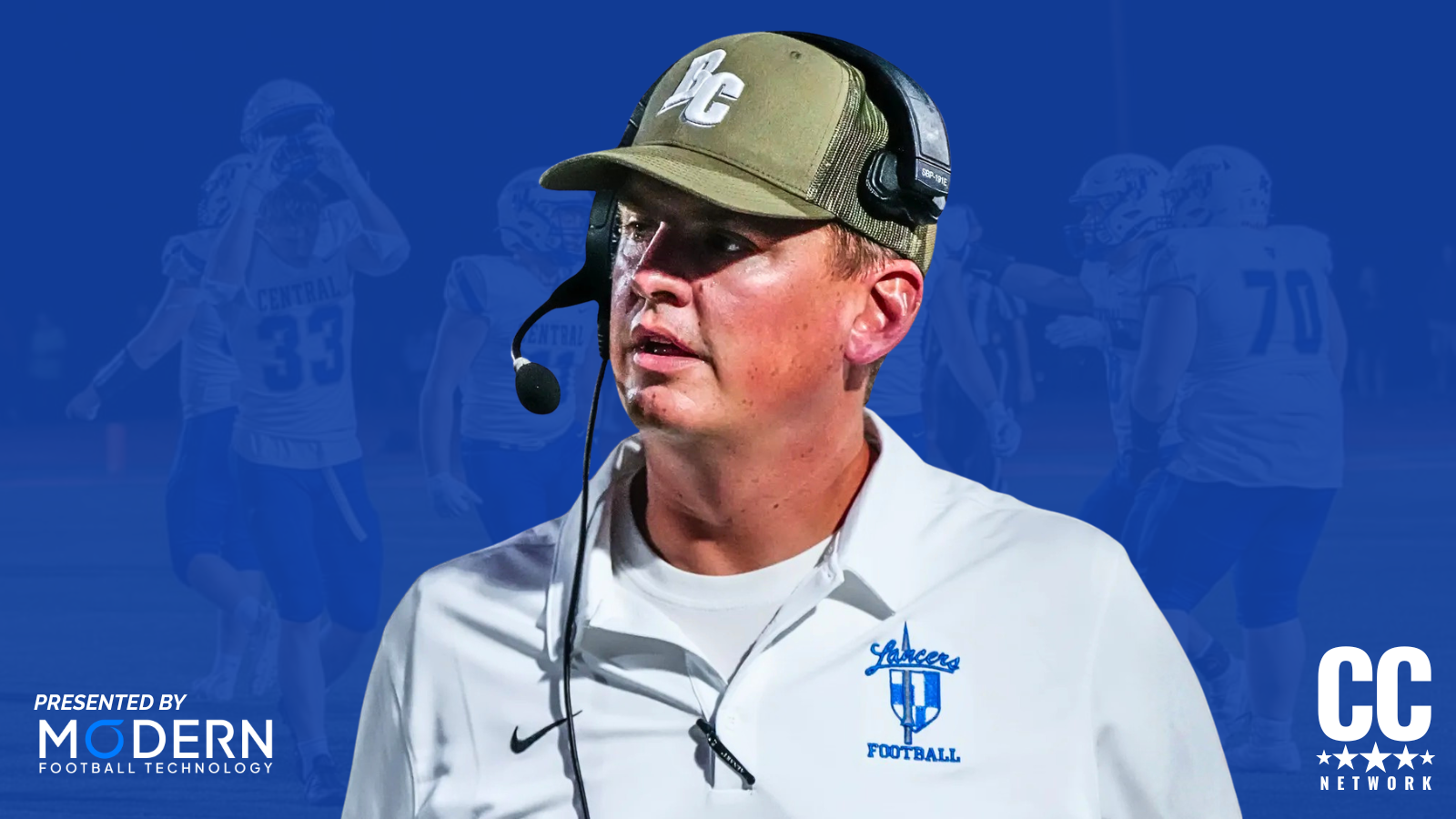
Joel Nellis, head coach at Brookfield Central High School in Wisconsin, joined the Coach and Coordinator Podcast to talk about Trench Training, the work being done with Joe Thomas, and why offensive line coaching why offensive line coaching needs better teaching from the youth level through varsity football. The goal is simple, but important: keep big kids in the game.
Why Trench Training Started
Trench Training was built around a problem too many communities face.
Big kids are leaving football too early.
Nellis explained that Steve Stark and Glenn Derby, former Wisconsin players who started the company, saw it happening at the youth level. Bigger players were being put through work that did not actually teach them how to play offensive line.
As Nellis said, “they saw a lot of kids leaving the game, big kids.”
Offensive line is already one of the hardest positions to sell to young players. They do not touch the ball, they do not get the highlights, and they usually get noticed only when something goes wrong.
When the practice experience does not teach them how to improve, it becomes even harder to keep them in the game.
Development is not only about making players better. It is about helping them feel progress, understand their role, and see a future in the position.
What is Trench Training?
Trench Training is a development program built specifically for offensive and defensive linemen. Led by NFL Hall of Famer Joe Thomas and an experienced coaching staff, it focuses on the fundamentals that help big kids play better, safer, and with more confidence.
Players learn the details that matter in the trenches: stance, starts, footwork, hip development, punch mechanics, run blocking, pass protection, and defensive line technique. The goal is not just to improve performance, but to help linemen understand the position, enjoy the work, and stay in the game longer.
Whether through in-person sessions or online coaching programs, Trench Training gives athletes and coaches a clear path to better line play.
Learn more about Trench Training
Offensive Line Coaching Has to Be Taught
Programs at every level know how hard it is to find good offensive line coaches.
At the youth and high school levels, many programs do not have a former offensive lineman coaching the position. Sometimes the offensive line room is handed to a coach from another position group because the program needs someone to lead it.
A coach once told Nellis, “I’m receivers, but I got to move to offensive line.”
That’s real life in football.
Not every program has a full offensive staff. Not every line coach has played the position. Not every youth coach understands how to teach stance, footwork, down blocks, double teams, combination calls, or practice progression.
Those coaches can still do a great job. They just need a clear plan, simple language, and drills that carry into game day.
The Joe Thomas Piece
Joe Thomas brings instant credibility to any offensive line conversation. He is one of the best offensive linemen ever to play the game, but what stands out here is not just his playing background.
It is his ability to teach.
Nellis explained how Thomas can take details from the highest level and bring them down to high school and youth football. Great players do not always become great teachers, but Thomas can explain the position in a way coaches can use.
The details add up. Stance, down blocks, double teams, foot pressure, and body position are all part of the teaching. One example was Thomas helping players feel rooted in their stance by understanding how the toe, heel, and full foot connect to the ground.
Offensive line play is physical, but it has to be taught with purpose. The best line coaches help players feel leverage, pressure, balance, and contact so they can play with more control and confidence.
Simple Drills Still Create Real Problems
Offensive line drills do not need to be creative to be effective.
Nellis said, “It’s OK to do the same things every day.”
Every offensive line coach should sit with that line.
Young coaches may feel pressure to change the drill menu to keep players from getting bored. Trainers can feel pressure to make workouts look fresh, but offensive line play rewards consistency.
The best drills are the ones that build the skills players need on Friday night.
Repeating the same drill does not mean every rep is the same. The defender moves, the shade changes, the linebacker fits differently, the angle is tighter, or the puller has to adjust. The combination block comes off faster or slower based on the picture.
The drill may stay the same, but the problem changes.
Coaching shows up there. The value is not just in the reps. It is in teaching players how to solve problems within the play.
A Common Language From Youth to Varsity
Trench Training also helps programs create a common offensive line language from youth football through varsity.
This is a major point for high school coaches.
If the fifth-grade team, middle school team, freshman team, JV team, and varsity team all use different language, players spend years relearning the position instead of developing within it.
Nellis emphasized the value of a shared teaching system. When drills, progressions, and language stay consistent, players can grow from year to year.
Offensive line development takes time. The teaching has to start before varsity camp. The language has to carry over. The drills have to connect.
That gives coaches more time to coach and gives players a clearer path from one level to the next.
Modern Football Technology supports that same idea for coaching staffs. With real-time charting, sideline reports, and faster self-scout, coaches can spend less time sorting information and more time teaching, adjusting, and developing players during the week.

Book Your Demo with Modern Football:
Practice Structure Is a Coaching Tool
A coach can know football and still struggle to organize the teaching.
What do you do first? How many players are involved? When do you go from one-man work to two-man work? When do you build to three-man combinations? How does the drill connect to power, counter, pin-pull, or other gap scheme concepts?
Those are the details that help a coach turn knowledge into practice.
The best coaching resources do more than show plays. They show coaches how to teach and practice them within a system.
The Bigger Coaching Lesson
Trench Training is not only about offensive line technique.
It is about responsibility.
If a big kid leaves football because no one taught him the position, that is a loss for the player and the program. If a new line coach is handed the position with no structure, the head coach has to help solve that. If youth players are doing generic work instead of learning how to play up front, the program is missing a chance to build its future.
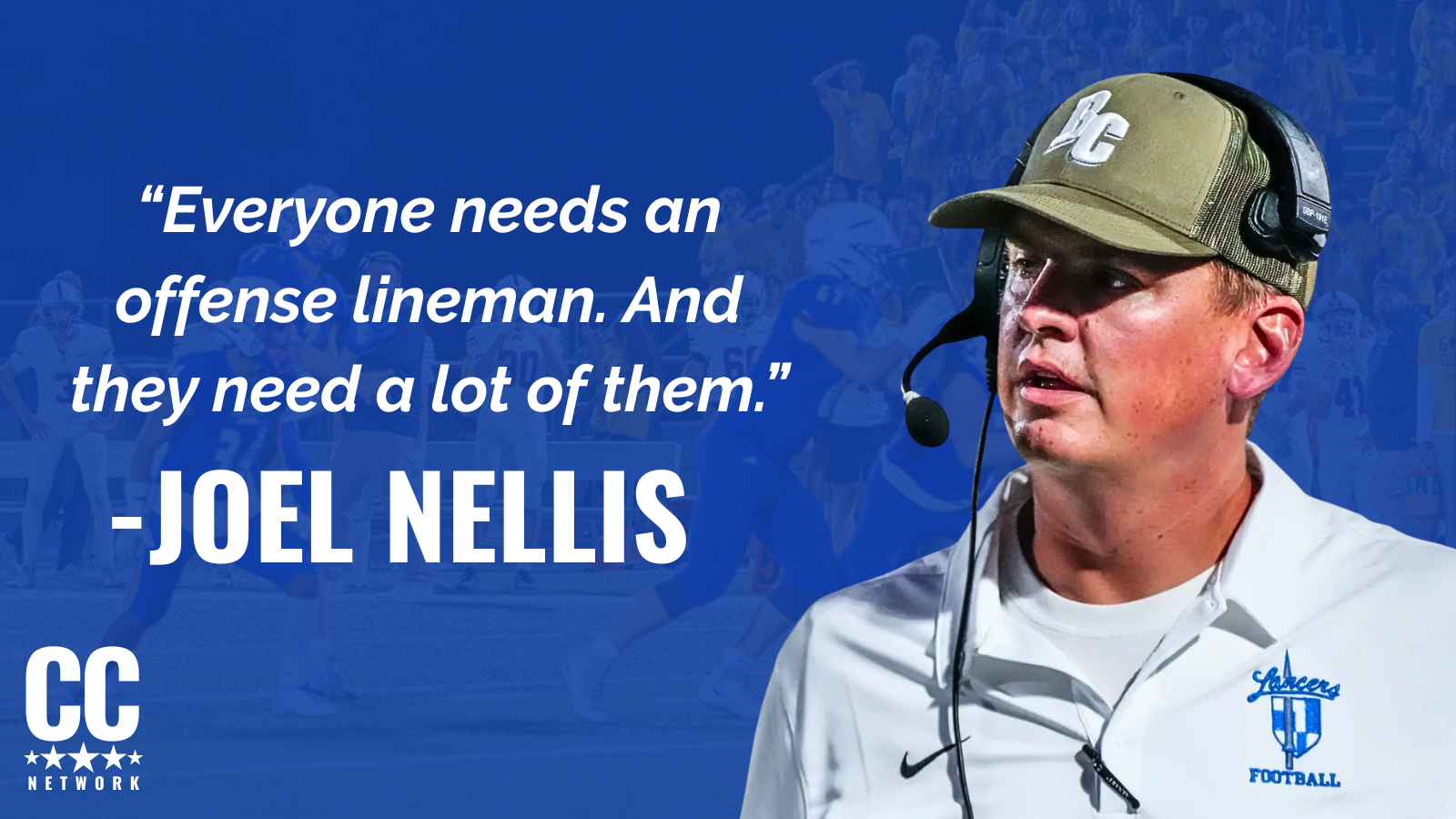
Nellis said it clearly: “Everyone needs an offense lineman. And they need a lot of them.”
Offensive linemen are developed over time. They need teaching, encouragement, and a clear plan.
When coaches teach the position better, young linemen get a better experience as they grow in the game.
For offensive line coaches, youth coaches, and head coaches, that is the kind of development every program should build toward.
Related:
Creating a Common Language for Coaching, Brent Dearmon, OC, MTSU
Protect the Game – Special Presentation with Scott Peters, Mike Pollak, and Bob Wylie
More on Coach Joel Nellis
Connect on X:
Keith Grabowski: @CoachKGrabowski
Joel Nellis: @Mr_Nellis